In today’s digital financial landscape, your money moves faster than ever—through credit cards, bank accounts, and electronic fund transfers (EFTs). While convenience is remarkable, it comes with responsibilities and rights that many consumers overlook. Understanding your credit statements, billing practices, and EFT rights is essential to protect yourself from errors, fraud, and unnecessary fees.
This guide explores how to read and understand your statements, the laws protecting you, strategies for accurate tracking, and steps to resolve errors. Think of it as a CEO’s approach to financial management: systematic, strategic, and proactive.
Understanding Credit Statements
Your credit statement is more than a monthly bill—it’s a record of your financial behavior and a key factor in your credit health.
Key Components of a Credit Statement
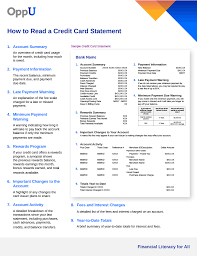
A typical credit card statement includes:
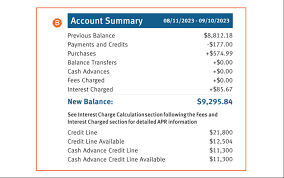
Account Summary – Lists your previous balance, payments made, new charges, interest, and the current balance.
Payment Due Date – The date by which the minimum or full payment must be made.
Minimum Payment – The least amount you must pay to avoid late fees or penalties.
Interest Charges – Calculated based on your balance and Annual Percentage Rate (APR).
Transaction Details – A record of all purchases, payments, credits, and adjustments.
Fees and Penalties – Late fees, over-limit fees, or other charges applied to your account.
Rewards or Points Summary – For cards offering incentives.
Understanding these components is critical because missing details or misinterpreting them can lead to unnecessary costs and negative credit impacts.
How Credit Billing Works
Credit billing is governed by regulations that ensure transparency and fairness. Your responsibilities and rights are interconnected.
- Billing Cycles
Most credit cards operate on a monthly billing cycle. Charges, payments, and credits within the cycle are summarized in your statement. Important points:
Grace Periods: Many cards offer a grace period on new purchases if you pay your full balance by the due date.
Carryover Balances: Balances not paid in full incur interest from the previous cycle.
- Interest Calculations
Interest is usually calculated using the average daily balance method or similar approaches. Knowing how your card calculates interest can save money:
Paying full balance: Avoids finance charges.
Partial payment: Interest is applied to the remaining balance.
- Billing Disputes
Mistakes happen. Under the Fair Credit Billing Act (FCBA):
You can dispute unauthorized or incorrect charges within 60 days of the statement date.
Creditors must investigate and respond within 90 days.
While under investigation, you may withhold payment on the disputed amount without penalty.
Understanding billing ensures you are not overcharged and that errors are corrected promptly.
Electronic Fund Transfers (EFTs)
EFTs include payments, transfers, and withdrawals made electronically from bank accounts. They are convenient but require vigilance.
Common Types of EFTs
Direct Deposits – Salaries, government benefits, or refunds.
ATM Withdrawals – Cash transactions using a debit card.
Online Bill Payments – Utility, rent, or subscription payments.
Electronic Transfers – Transfers between accounts or to other individuals (e.g., wire transfers).
Understanding Your Statements
Bank statements for EFTs typically include:
Transaction Date – When the transfer occurred.
Posting Date – When the bank processed it.
Amount – Withdrawals or deposits.
Payee/Recipient – Who received the funds.
Balance – Updated account balance after the transaction.
Keeping track of these details ensures you know exactly where your money goes and prevents overdrafts.
Your Rights: Credit Billing
The Fair Credit Billing Act (FCBA) protects consumers against unfair billing practices:
Unauthorized Charges: You can dispute charges you did not authorize.
Errors: Incorrect amounts, wrong dates, or duplicate charges can be challenged.
Timing: Billing errors must be reported within 60 days from the statement date.
Response Requirement: Creditors must acknowledge disputes within 30 days and resolve within 90 days.
Practical Tip: Always document disputes in writing, keep copies, and note the dates of all communication.
Your Rights: Electronic Fund Transfers
The Electronic Fund Transfer Act (EFTA) safeguards EFTs. Key protections include:
Unauthorized Transfers: Report within 60 days to limit liability for stolen cards or account fraud.
Error Resolution: Banks must investigate errors reported within 60 days and resolve within 45 days.
Access to Information: You can request a detailed transaction history.
Liability Limits: Depending on when you report a lost or stolen card, liability may be limited to $50, $500, or more if reported late.
Understanding these rights allows consumers to act quickly in case of fraud or mistakes.
Common Errors and How to Resolve Them
Errors can occur in both credit billing and EFTs. Common examples include:
Duplicate Charges – Two charges for the same transaction.
Unauthorized Transactions – Fraudulent activity or identity theft.
Incorrect Amounts – Mistakes in transaction processing.
Delayed Credits – Payments or refunds not applied correctly.
Steps to Resolve:
Review Statements Regularly – Monthly oversight helps catch issues early.
Document Everything – Keep receipts, emails, and screenshots.
Contact the Institution Promptly – Notify the creditor or bank in writing.
Follow Up – Ensure errors are corrected and reflected in subsequent statements.
Escalate if Needed – File complaints with regulators if unresolved (e.g., CFPB in the U.S.).
Best Practices for Managing Statements
- Automate and Track
Set up automatic alerts for new statements, due dates, and unusual transactions. Many banks offer email or app notifications.
- Maintain Records
Keep both digital and paper copies of statements, receipts, and correspondence. This documentation is invaluable if disputes arise.
- Reconcile Monthly
Compare your statement against receipts and online banking records to ensure accuracy.
- Avoid Late Payments
Set reminders for due dates, and pay at least the minimum to avoid fees and negative credit reporting.
Understanding Fees and Charges
Credit and EFT statements often contain fees:
Credit Card Fees: Annual fees, late payments, cash advances, and over-limit fees.
Bank Fees: Overdraft fees, wire transfer charges, and ATM usage fees.
Hidden Charges: Check for recurring service fees or foreign transaction charges.
Being aware of these fees helps you avoid unnecessary costs and maintain financial control.
The Role of Technology
Digital banking tools have transformed how we monitor credit and EFTs:
Online Portals: Real-time access to statements and transactions.
Mobile Apps: Instant notifications for charges and transfers.
Budgeting Tools: Track spending and reconcile statements automatically.
Fraud Detection: Banks monitor unusual activity and alert consumers.
While convenient, technology also demands vigilance—fraud can occur online, so monitoring remains essential.
Disputing Errors: Step-by-Step
For Credit Billing:
Identify the error on your statement.
Write a dispute letter including your account information, the charge in question, and supporting documentation.
Send via certified mail for tracking.
Creditors must acknowledge within 30 days and resolve within 90 days.
For EFT Errors:
Identify the unauthorized or incorrect transfer.
Notify your bank within 60 days of the statement date.
Provide supporting documentation (receipts, emails, or screenshots).
Bank investigates and resolves within 45 days, often issuing provisional credit during the investigation.
Protecting Yourself Against Fraud
Fraud is a constant risk in both credit and EFT transactions. Best practices include:
Use Strong Passwords – Secure online accounts and mobile apps.
Enable Two-Factor Authentication – Adds an extra layer of security.
Monitor Accounts Frequently – Spot unusual transactions quickly.
Limit Sharing Financial Information – Only provide details to trusted parties.
Report Suspicious Activity Immediately – Early reporting minimizes liability.
Strategic Insights for CEOs and Professionals
Viewing statements and transfers like a CEO managing business operations can improve control:
Monthly Audits: Treat personal finances like a company ledger.
Track Trends: Identify recurring fees, spikes in spending, or unusual patterns.
Forecast Cash Flow: Plan for upcoming payments and transfers to avoid overdrafts.
Negotiate Fees: Contact creditors or banks to reduce or eliminate recurring charges.
By applying executive-level oversight to personal finances, you protect both your credit and your funds.
Conclusion: Take Control of Your Financial Statements
Your credit, billing, and electronic fund transfers are more than numbers—they reflect your financial behavior and influence your financial health. By understanding your statements, knowing your rights under the FCBA and EFTA, monitoring activity regularly, and proactively disputing errors, you can:
Prevent fraud and unauthorized transactions.
Reduce fees and interest charges.
Improve credit health.
Maintain control over your financial life.
Being proactive is the key. Treat your statements like a CEO treats company reports: analyze, reconcile, and act strategically. Your financial statements are your tools—understand them, protect yourself, and use them to build lasting financial stability.
Summary:
With the increased use of credit cards, electronic banking, and internet buying, checking your bills is of the utmost importance. Identity theft is rampant and checking your accounts regularly is your best defense against losing your good credit.
Keywords:
electronic, credit, electronic fund, fund, transfers, electronic fund transfers, fund transfers, account, accounts, billing
Article Body:
It is important to check credit billing and electronic fund transfer account statements regularly because these documents may contain mistakes that could damage your credit status or reflect improper charges or transfers. If you find an error or discrepancy, notify the company and dispute the error immediately. The Fair Credit Billing Act (FCBA) and Electronic Fund Transfer Act (EFTA) establish procedures for resolving mistakes on credit billing and electronic fund transfer account statements, including:
� charges or electronic fund transfers that you � or anyone you have authorized to use your account � have not made;
� charges or electronic fund transfers that are incorrectly identified or show the wrong date or amount;
� math errors;
� failure to post payments, credits, or electronic fund transfers properly;
� failure to send bills to your current address � provided the creditor receives your change of address, in writing, at least 20 days before the billing period ends;
� charges or electronic fund transfers for which you ask for an explanation or written proof of purchase along with a claimed error or request for clarification.
The FCBA generally applies only to �open end� credit accounts � credit cards and revolving charge accounts, like department store accounts. It does not apply to loans or credit sales that are paid according to a fixed schedule until the entire amount is paid back, like an automobile loan. The EFTA applies to electronic fund transfers, like those involving automatic teller machines (ATMs), point-of-sale debit transactions, and other electronic banking transactions.
Knowing your rights is the first step in keeping track of your electronic transactions and thwarting identity thieves. Checking your records for charges or transfers that you didn�t make will ensure that your credit record is correct and erroneous charges aren�t made. You are the first line of defense against the bad guys who are trying to access your electronic accounts.
Use common sense when making an electronic transaction and ensure that the transaction is secure. Checking your account online daily will allow you to see any unusual purchases or transfers and report them in a timely fashion instead of waiting for your monthly paper bill to arrive. You are the first line of defense and can help protect your good credit with very little effort. It only takes a minute or two per day to log in to your account and make sure that everything is OK. Take the time and enjoy the peace of mind.
Tinggalkan Balasan